

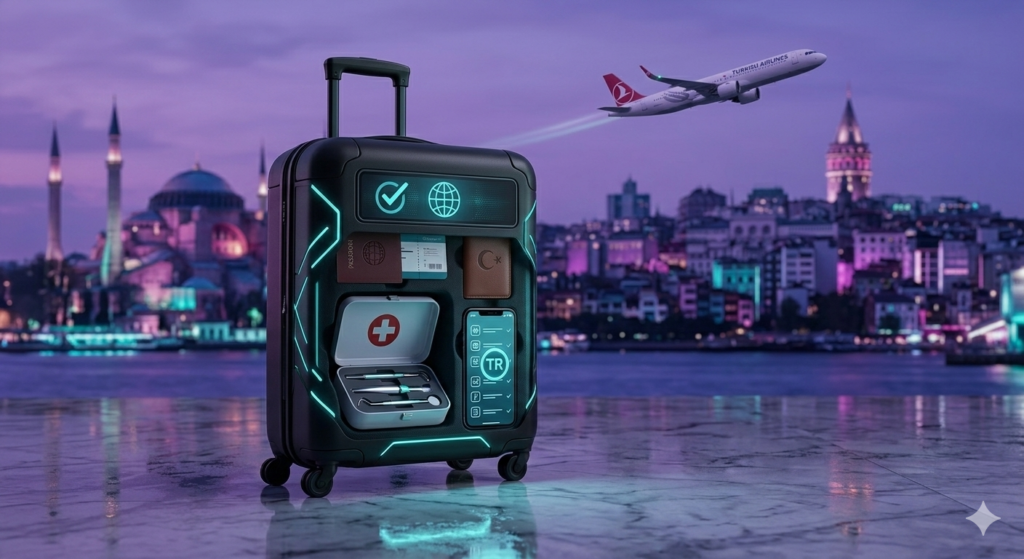
The decision is made: you’re traveling abroad for your wellness appointment. Whether it’s a specialized aesthetic consultation or a planned wellness procedure, excitement often comes with a bit of anticipation. One question pops up again and again: “Have I thought of everything?”
Proper travel preparation is the foundation of a smooth experience. When you have the organizational side under control, you can focus entirely on your relaxation and recovery. In this guide, you will learn how to prepare for your international trip and what belongs in your suitcase to ensure your stay is as stress-free as possible.
The Weeks Before: Medical Preparation
The journey to your refreshed self starts weeks before you reach the airport. To ensure your body is optimally prepared for your travel and appointment, consider the following:
- Review Your Routine: Be mindful of your daily supplements. It is often recommended to pause certain herbal teas or specific vitamins (like Omega-3) at least two weeks before your appointment. Always check with your coordinator regarding your current routine to ensure the best results.
- Wellness Habits: We know it’s a challenge, but maintaining a clean lifestyle by reducing nicotine and alcohol consumption significantly supports your body’s natural vitality and recovery process.
- Nutritional Foundation: Focus on a balanced, protein-rich diet and plenty of fluids. A stable nutrient balance is the fuel your body needs for energy and regeneration during your stay.
Documents: Your Travel Essentials
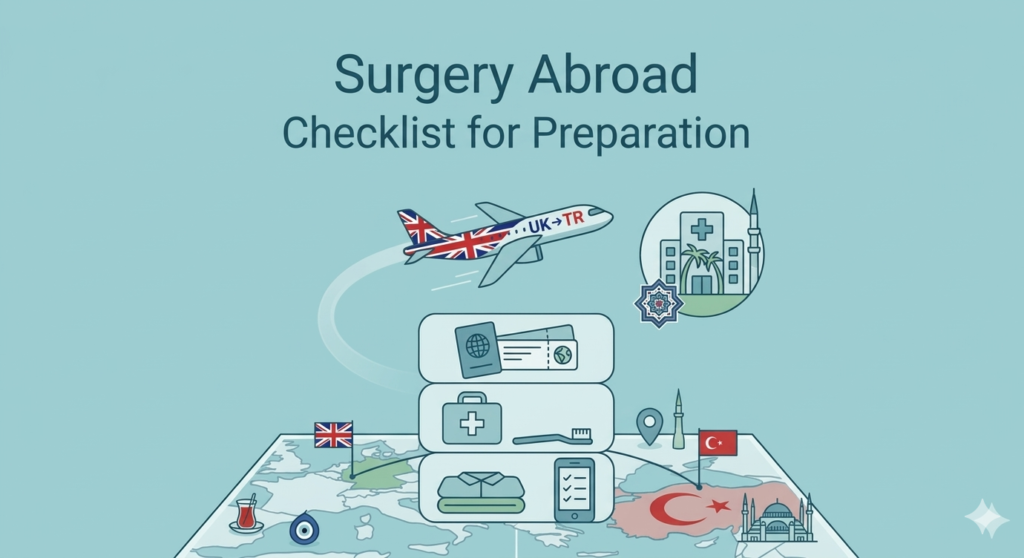
Nothing causes more stress than a missing document at check-in. Create a physical folder and save everything digitally on your smartphone:
- Valid Passport or ID: Ensure your document is valid for at least six months. Since regulations can change quickly, it is advisable to check the current travel and safety advice for your destination country (e.g., Turkey).
- Appointment Documents: Your travel plan, booking confirmations, and the address of your accommodation.
- General History: Any relevant personal notes or a list of routine items you use daily.
- Emergency Contacts: The number of a trusted person back home and your local guest coordinator.
The Packing List: Prioritize Comfort
When packing for a wellness trip, one golden rule applies: You will want to move freely without any discomfort from tight clothing.
1. Smart Clothing
Pro-tip: Pack clothes that are easy to put on. After many types of aesthetic appointments, it is much more comfortable to wear items that don’t require being pulled over the head.
- Choose: Tops with a full-length button placket or zipper (e.g., soft flannel shirts or comfortable sweatshirt jackets).
- Trousers: Loose-fitting sweatpants with a soft waistband.
- Shoes: Slippers or comfortable slip-on shoes. You’ll appreciate not having to bend over to tie shoelaces.
2. Room Essentials for Extra Comfort
It’s often the little things that increase comfort abroad:
- A Neck Pillow: Perfect for resting in an upright position, which helps maintain comfort after your appointment.
- Straws: These are a simple but effective tool to stay hydrated comfortably during the first few days.
- Extra-Long Charging Cable: Keep your devices within reach, as power outlets in hotels are not always next to the bed.
- Universal Travel Adapter: Remember that Türkiye uses European standard sockets (Type C and F).
- Dry Shampoo: A great way to feel refreshed when you prefer to wait a day or two before a full hair wash.
Conclusion: Step into Your New Journey
Traveling abroad for wellness is a significant step toward your personal goals. The better prepared you are, the more you can relax. With this checklist, you have mastered the organizational hurdles. Focus on yourself—we will take care of the rest.
Start Your Organized Journey Today!
We ensure that you don’t have to worry about the details – from logistics to accommodation. Let’s plan your journey together.
Request Your Free Initial Consultation & Quote Now
FAQ: Travel Preparation
- How many days before my appointment should I arrive?
- We generally recommend arriving at least one day before. This allows time for your in-person meeting, final checks, and a stress-free night at the hotel.
- Can I travel alone for my wellness trip?
- While it is possible, we often suggest having a companion or utilizing our on-site coordination service for additional support and ease during your first 48 hours.
- What is the best clothing to wear for my stay?
- Opt for clothing with a front zipper or buttons. Avoid tight sweaters; loose hoodies or soft button-down shirts are the ideal choice for your comfort.
- How do I handle the language barrier?
- There is no need to worry. Most professionals in our partner locations speak fluent English, and a dedicated guest coordinator will be by your side to ensure clear communication throughout your stay.
- How do I handle the language barrier at the clinic in Turkey?
- There is no need to worry about communication. Most surgeons in our partner clinics speak fluent English. Additionally, a dedicated international patient coordinator will be by your side throughout your stay to translate and ensure all your questions are answered clearly.